


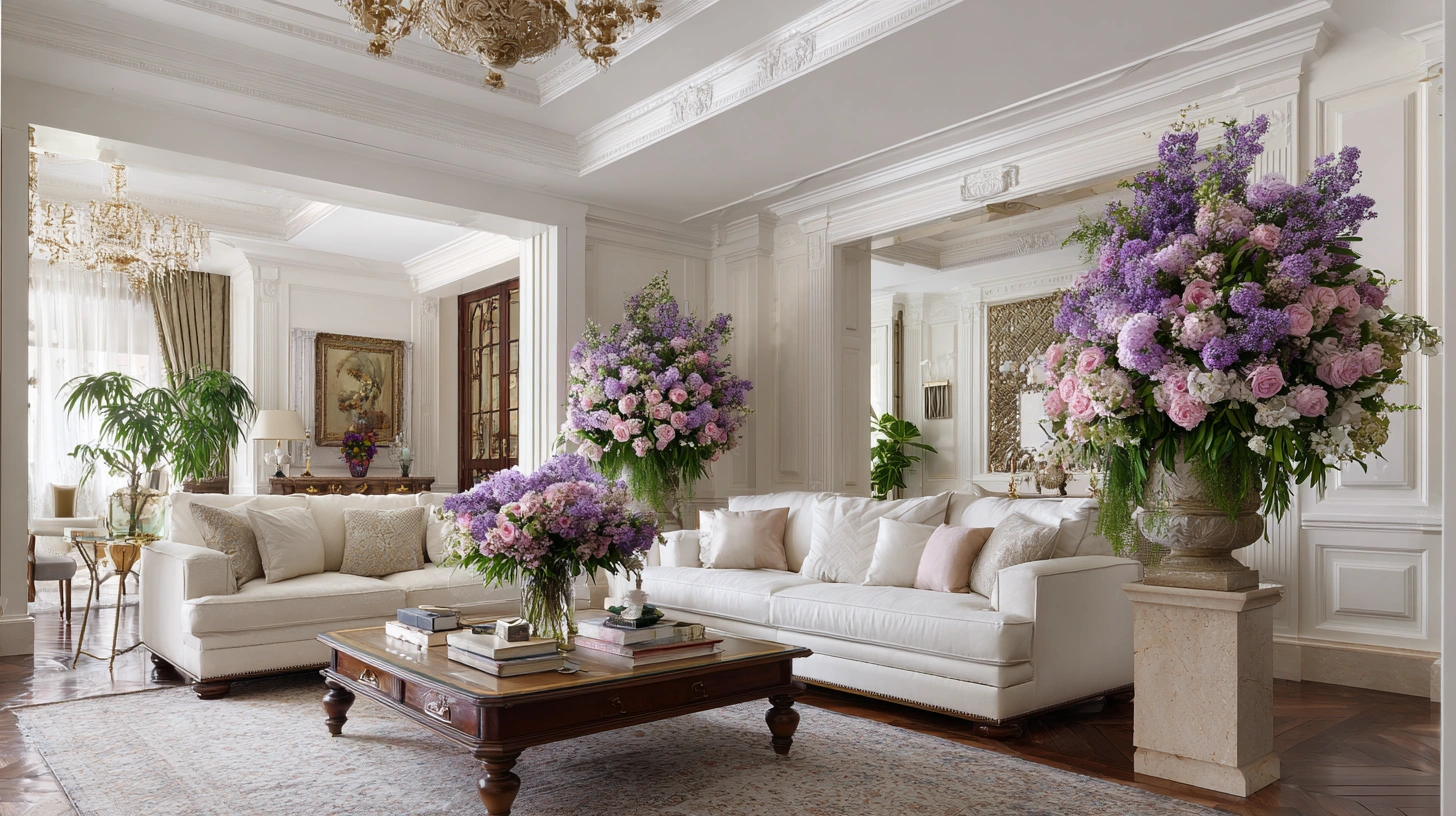
Baroque interior design, often referred to as Baroque ( https://en.wikipedia.org/wiki/Baroque ), is a style that emerged in the late 16th century, characterized by its grandeur, extravagance, and dramatic appeal. The historical context of Baroque design can be traced back to Italy, where it flourished in palaces and churches, showcasing the artistry of eye-catching ornamentation and intricate detail. This opulent style is defined by several hallmark elements, including lavish furniture, rich and varied color palettes, and elaborate patterns, all of which coalesce to create an inviting atmosphere within a living space.
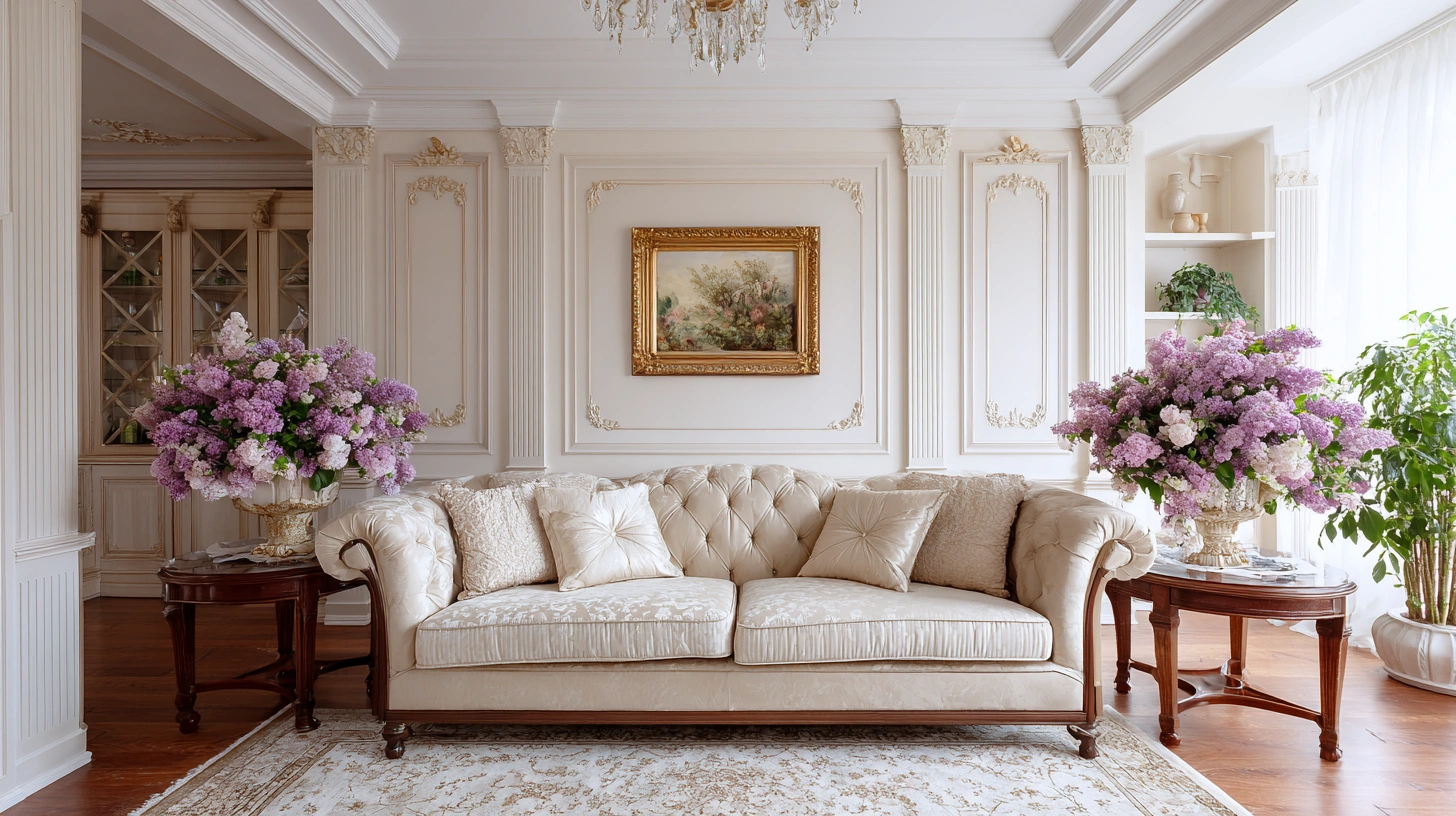
At its core, Baroque design embraces a sense of luxury and complexity. The furniture is typically grandiose, featuring intricate carvings and rich fabrics that convey a sense of elegance. Upholstery in plush velvets or brocades adds texture and depth, while large, statement pieces serve as focal points within a room. Moreover, the use of rich colors—such as deep reds, golds, and greens—contributes to the warmth and vibrancy of the space, making it feel inviting and regal.
Ornamental details play a pivotal role in the Baroque style. Extravagant chandeliers, ornate mirrors, and intricately designed moldings are common fixtures that elevate the overall aesthetic. Furthermore, the incorporation of patterns—whether through wallpaper, textiles, or rugs—adds layers of visual interest, encouraging an immersive experience within the living room environment.
In contemporary settings, adaptations of the Baroque style allow for a balance between traditional and modern sensibilities. By selectively integrating elements such as bold furnishings or statement art pieces, homeowners can achieve a harmonious blend that respects the historical roots while still appealing to modern design trends. This fusion illustrates the timeless nature of Baroque interior design, emphasizing its ability to enhance contemporary living spaces with elegance and character.
Key Features of an Elegant Baroque Living Room
The Baroque interior design style is synonymous with elegance, sophistication, and a touch of extravagance. To create an elegant living room, one must focus on essential features that truly encapsulate this luxurious aesthetic. One of the fundamental components is the selection of furniture. Opting for pieces with ornate carvings and opulent fabrics is crucial. Think of intricately designed chairs and sofas adorned with plush velvet or sumptuous brocade, which not only enhance comfort but also serve as statement pieces that draw the eye.
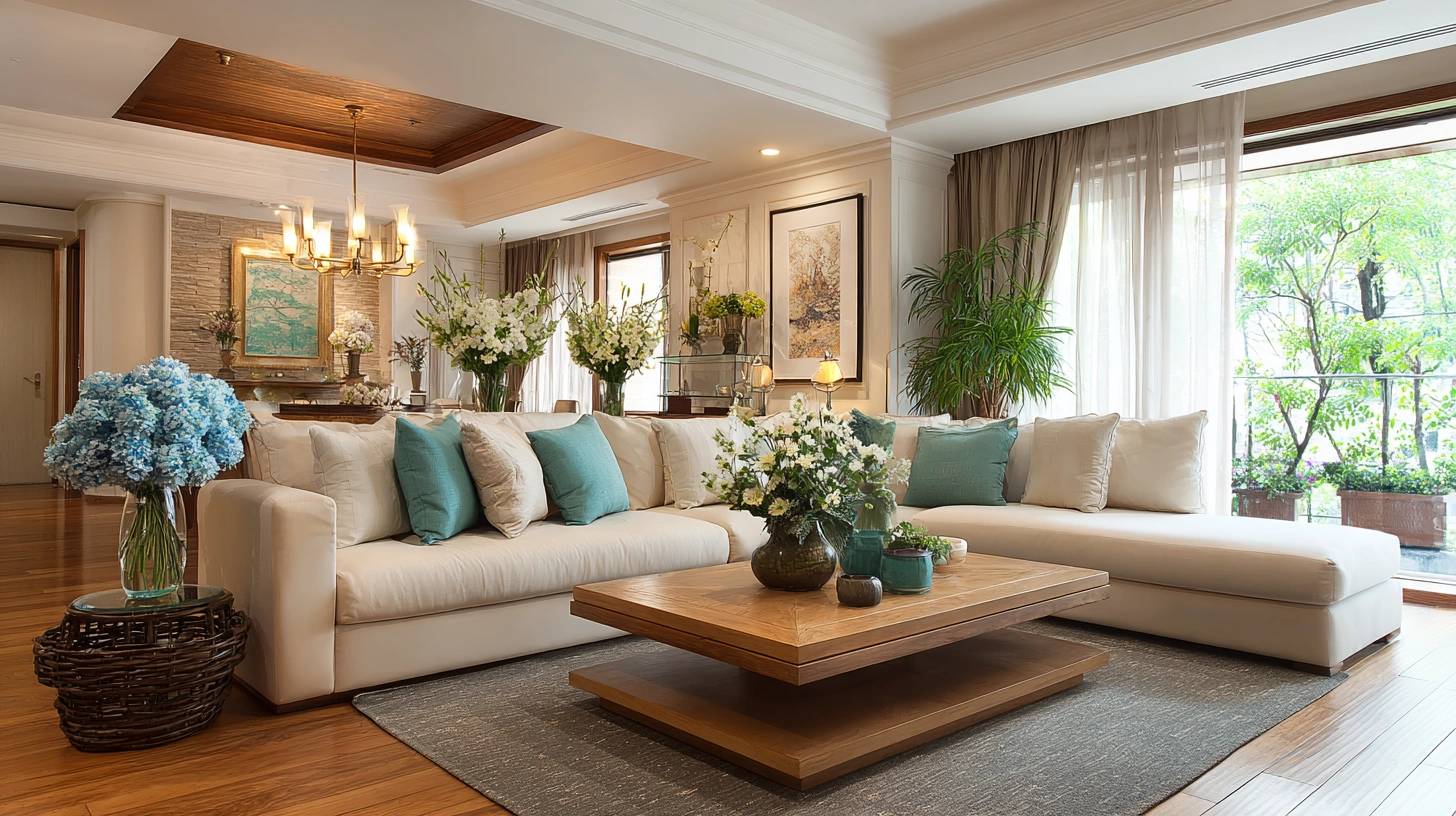
In addition to furniture, the choice of textiles plays a significant role in establishing the ambiance of a Baroque living room. Rich materials should be prioritized, as they offer depth and texture. Velvet cushions, silk draperies, and embroidered throws can elevate the overall decor while providing layers of richness that are characteristic of this style.
Color palettes also demand careful consideration. Deep jewel tones, such as emerald greens, sapphire blues, and ruby reds, work harmoniously with warm neutrals to create a balanced and inviting environment. These colors evoke a sense of opulence and can be used on walls, upholstery, or decorative accessories to reinforce the Baroque theme. Moreover, wall treatments like plush wallpapers or intricate moldings further enhance the regal feel of the space.
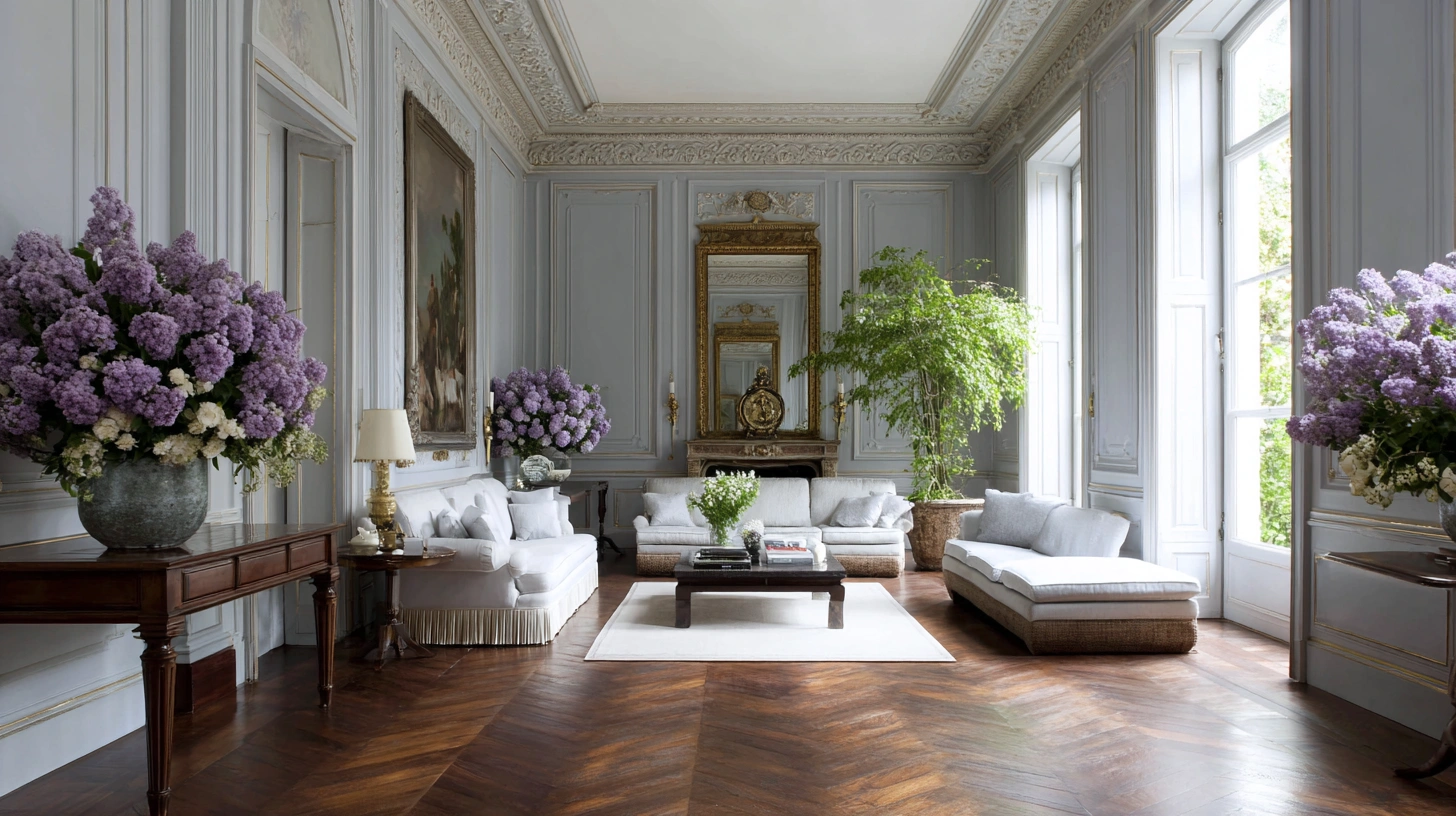
Decoration is another key element that should not be overlooked. Lavish curtains draping elegantly from ceiling to floor contribute to a grand atmosphere, while well-placed mirrors can reflect light and create an illusion of space. Artwork, particularly that of classical or romantic themes, can serve as focal points, making the living room a canvas of tasteful expression. Incorporating these elements will ensure your Baroque living room not only looks sophisticated but also feels inviting and warm.
Creating Perfect Flower Arrangements for a Baroque Living Room
When designing a luxurious Baroque living room, the choice of flower arrangements plays a pivotal role in embodying the opulence that this style represents. To create a harmonious and enriching atmosphere, it is vital to select flowers that resonate with the grandeur of Baroque design. Peonies, roses, and orchids are standout choices due to their large blossoms and vibrant colors, which can elevate the visual appeal of any space.
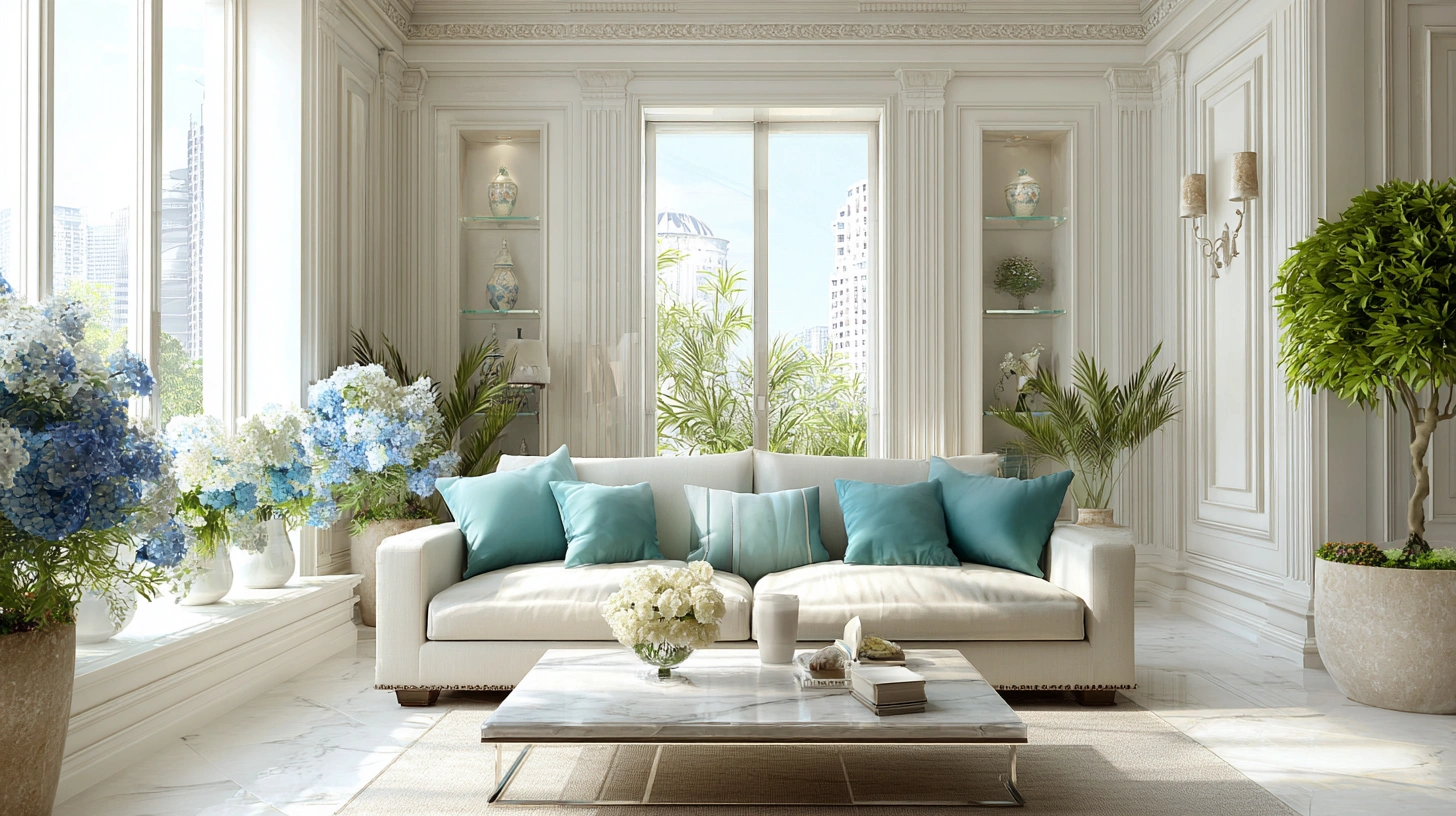
These flowers not only symbolize elegance and beauty but also blend seamlessly with the rich textures and intricate patterns commonly found in Baroque interiors. The color palette of the flowers should complement the room’s existing hues; for instance, deep reds and golds can enhance a regal theme, while soft pastels may create a more delicate effect. Consider choosing flowers that bloom in shades that reflect or contrast the primary colors of your décor for a cohesive yet dynamic look.
In addition to flower selection, the right vase will greatly influence the overall impact of your floral arrangements. When choosing a vase, consider the material—ceramics, glass, or even metallic vases can add different textures and styles to the arrangement. The size and shape of the vase also play a significant role; taller arrangements may benefit from elongated vases, while a low, wide vase can accommodate a sprawling display of flowers. This balance will contribute to the overall design aesthetic of the living room.
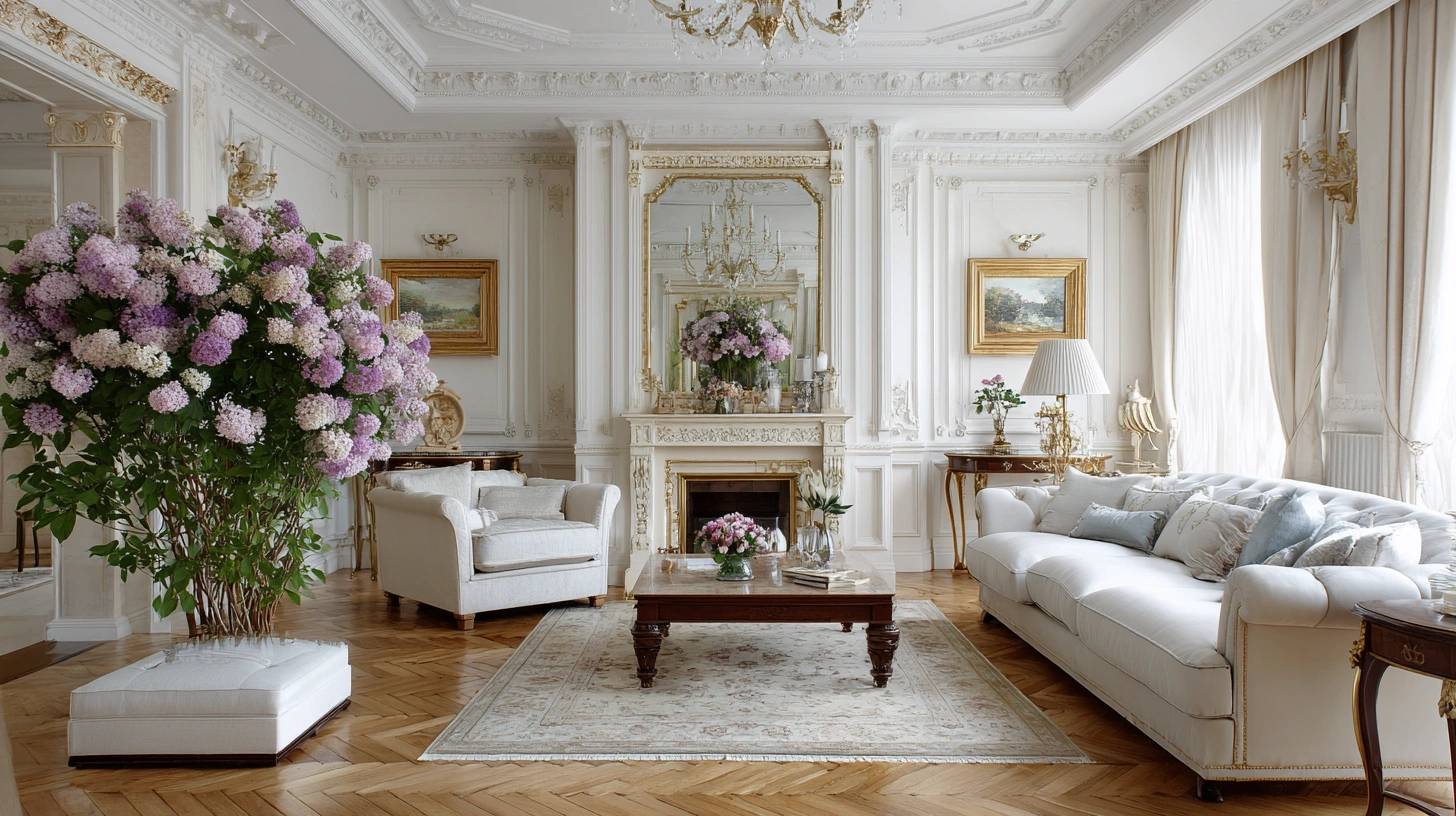
Seasonal arrangements add diversity and freshness, aligning with changing themes throughout the year. Regular maintenance, including trimming stems and changing water, ensures that your floral displays remain captivating. With the right choice of flowers and vases, along with attention to seasonal changes, your Baroque living room can achieve an extravagant look that reflects luxury and sophistication.
Tips for Maintaining a Baroque -Inspired Living Room
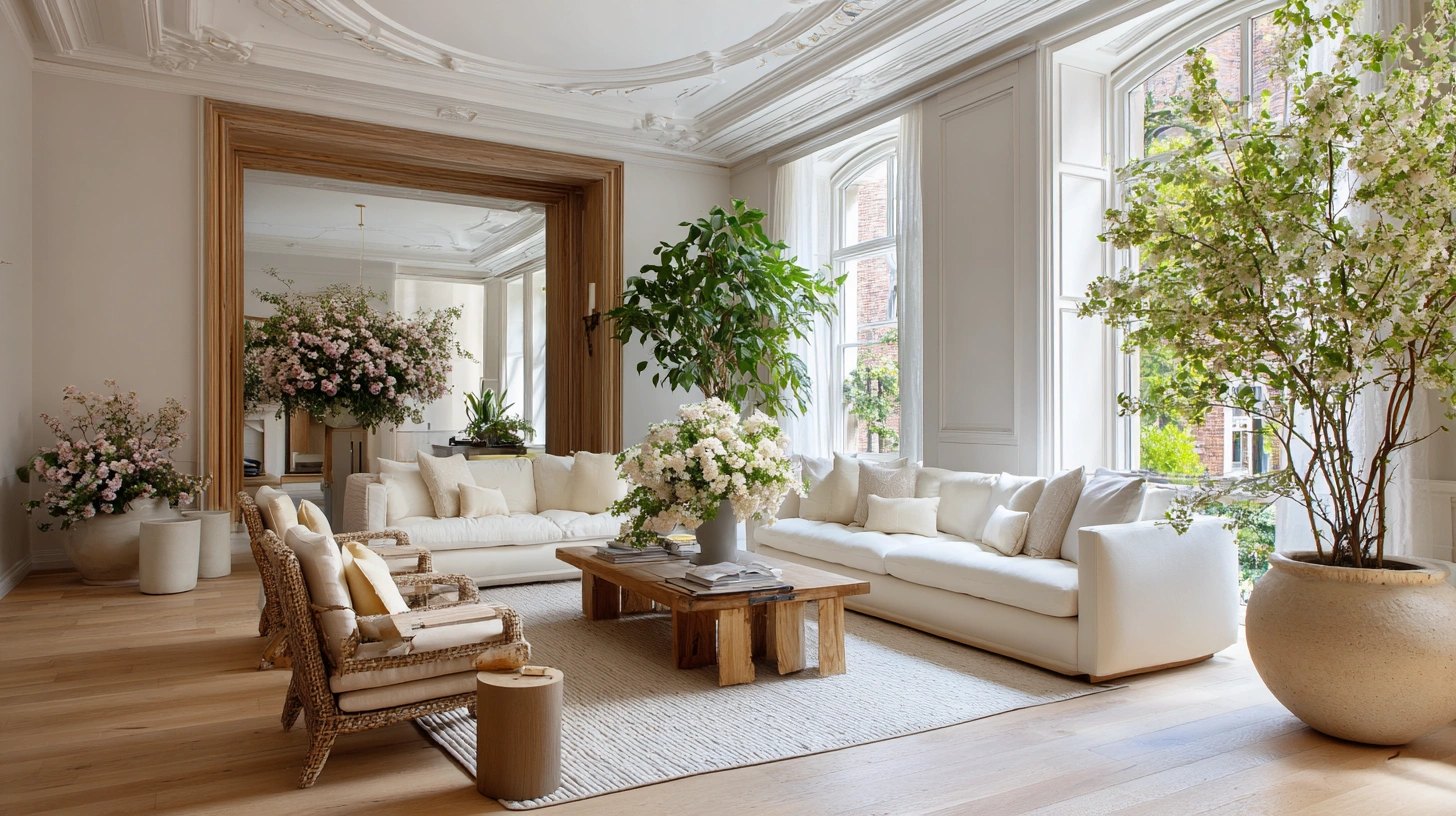
To ensure that your Baroque -inspired living room remains stylish and inviting, several practical maintenance tips are essential. One of the key aspects is to regularly update your seasonal decor. This not only keeps the space fresh but also reflects changes in nature and festivities, characteristic of the Baroque design’s vibrancy. Consider incorporating seasonal colors and textures in your decorative elements, such as throw pillows, artwork, and table settings. This simple practice can create a dynamic atmosphere while aligning with the grandeur of Baroque aesthetics.
The importance of regular cleaning cannot be overstated, particularly with ornate furnishings that are a hallmark of the Baroque style. Dust and dirt can accumulate easily in detailed carvings and complex patterns. It’s advisable to use soft, microfiber cloths to gently clean surfaces and avoid abrasive materials that might scratch the finish. Additionally, appoint specific days for deep cleaning, focusing on items like chandeliers and plush upholstery, to preserve their beauty and longevity.
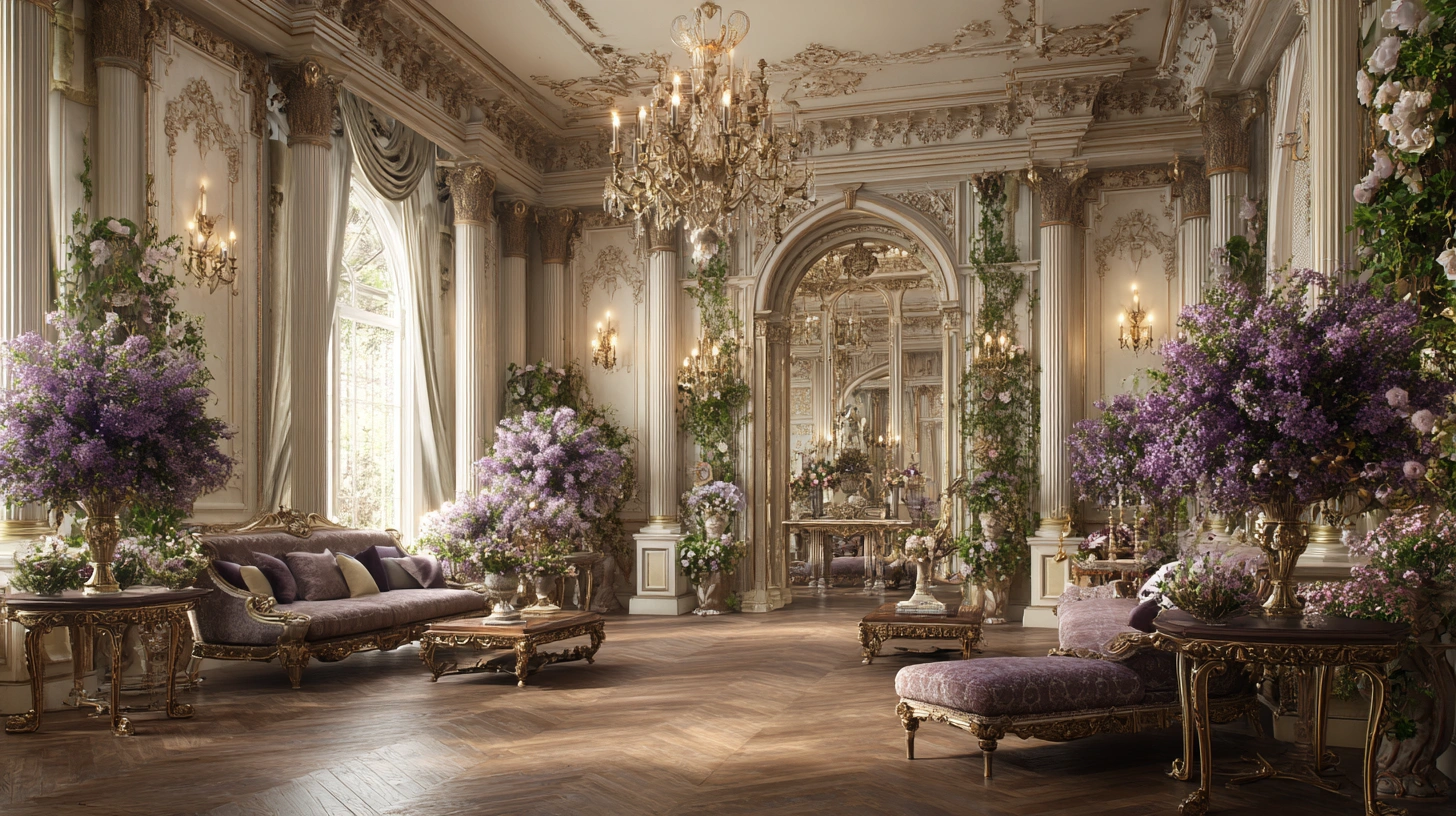
Refreshing flower arrangements is another integral aspect of maintaining your living room’s allure. A well-placed floral display can breathe life into the space and reflect the luxurious nature of Baroque design. Opt for seasonal blooms that complement the overall color palette of your room, ensuring that each arrangement harmonizes with the existing decor. Remember to change water regularly and trim the stems to prolong the life of your flowers and maintain their vibrant appearance.
Layering different sources of light is crucial to enhance the luxurious atmosphere typical of Baroque interiors. Utilize a combination of ambient, task, and accent lighting to create depth and warmth, elevating the room’s overall elegance. Consider adding table lamps, floor lamps, and stylish chandeliers to provide varied intensities and highlights that enhance architectural features. Lastly, be prepared to address common challenges, such as maintaining cohesion in color schemes and adapting to changing trends, to ensure your living room remains a vibrant and elegant showcase of the Baroque style.