


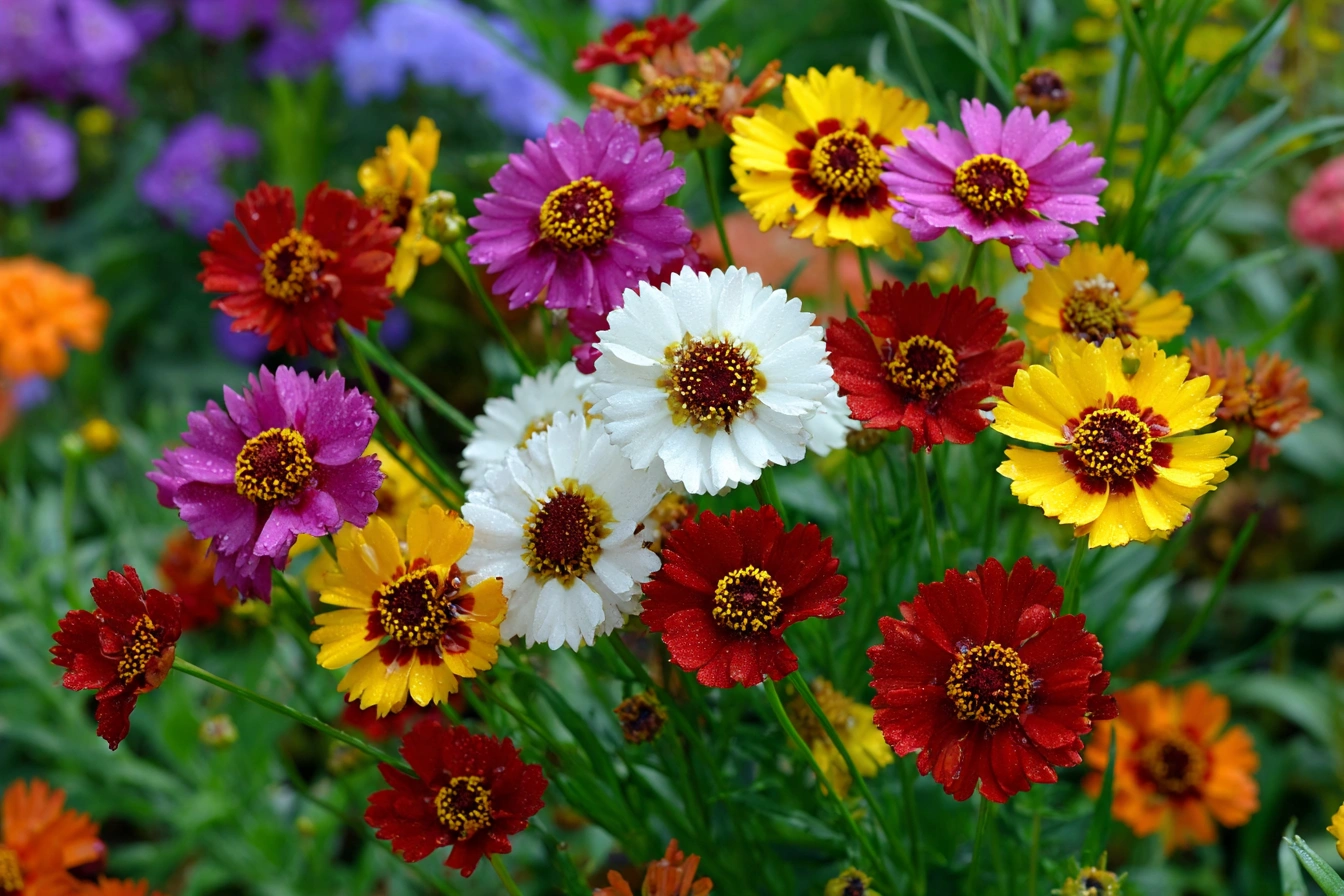
Flowers play a vital role in the garden ecosystem, not only by adding visual appeal but also by supporting biodiversity and contributing to the overall health of the environment. Understanding the different types of flowers—annuals, perennials, biennials, and hybrids—can significantly enhance a gardening enthusiast’s experience. By categorizing flowers, gardeners can make informed decisions regarding their garden planning and maintenance strategies.
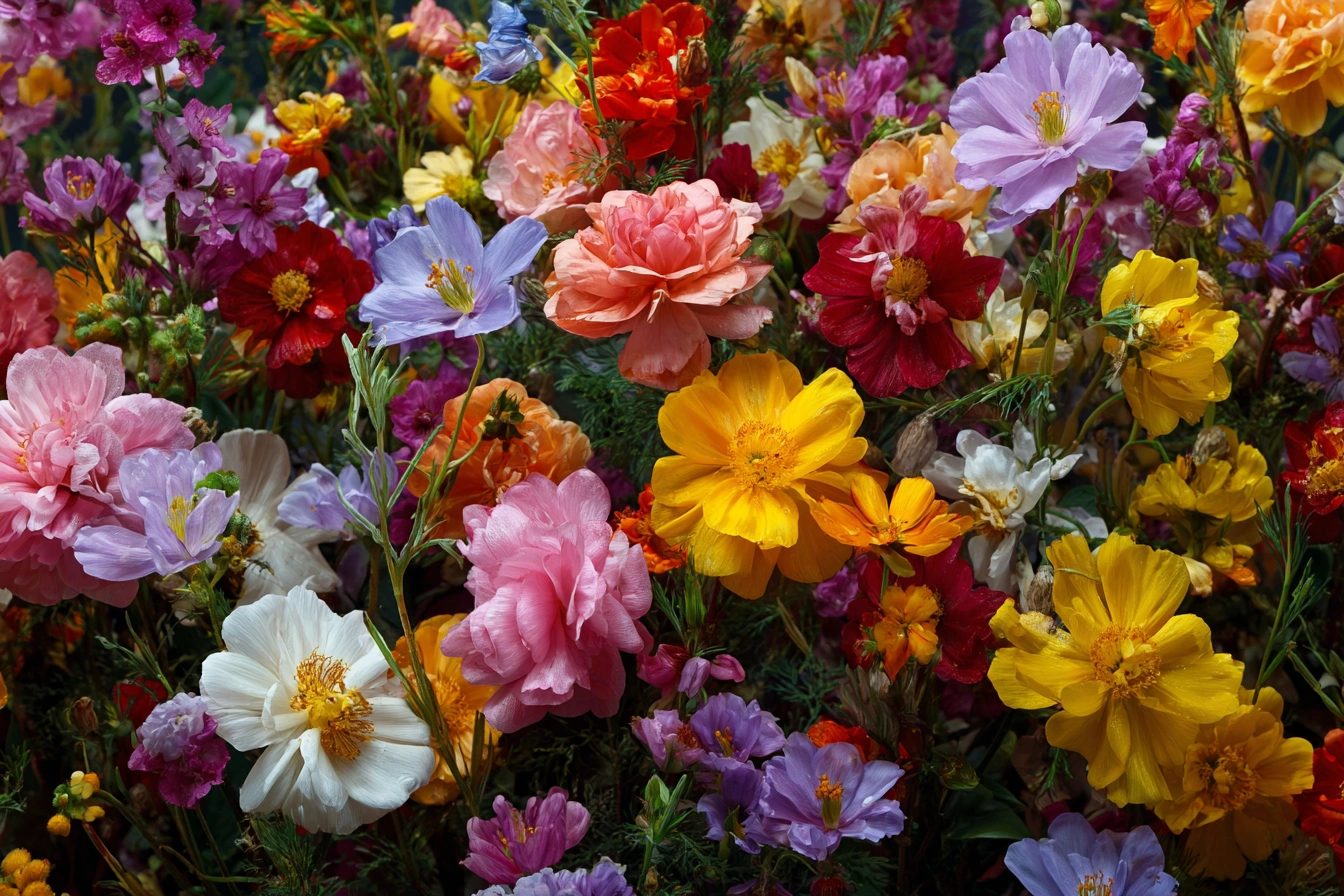
Annual flowers complete their life cycle within a single growing season, offering vibrant displays that can change from year to year. They are often favored for their rapid growth and ability to provide color quickly, making them ideal for filling spaces and creating seasonal arrangements. On the other hand, perennials return for multiple seasons, allowing gardeners to invest in plants that will continuously add beauty and contribute to the structure of the garden. This knowledge helps in selecting which flowers to cultivate based on personal preferences and regional climate conditions.
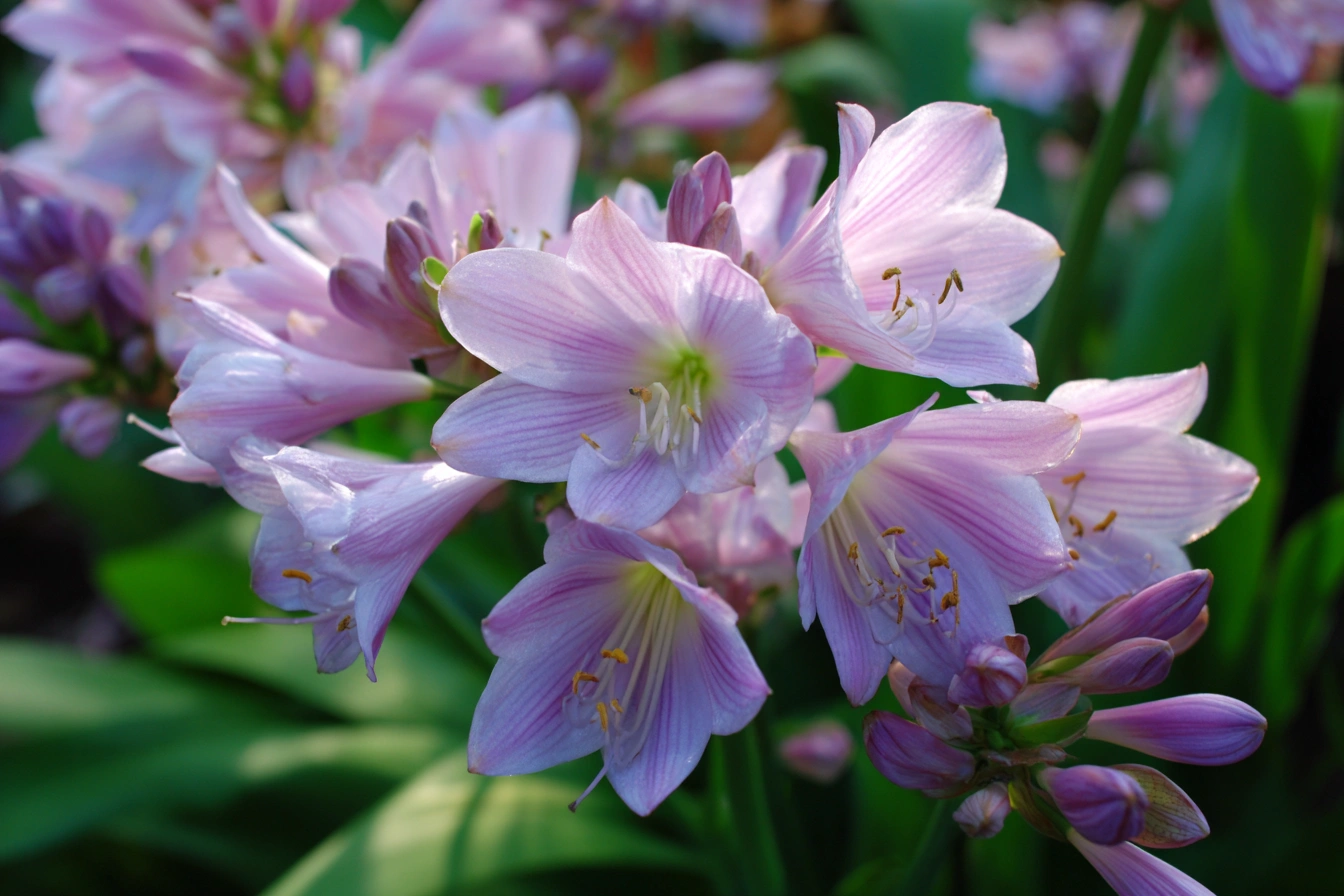
Biennial flowers present a unique option, requiring two growing seasons to complete their life cycle. They offer an interesting dynamic to garden design, with the first year often focusing on foliage development and the second on flowering. Additionally, hybrid flowers, resulting from crossbreeding species, provide a myriad of options regarding color, size, and resilience. These varieties can often boast improved traits, such as disease resistance or longer blooming periods.
By understanding these classifications of flowers, gardening enthusiasts can optimize their gardens for aesthetics, sustainability, and growth potential. From selecting the right combination of flower types to anticipating their blooming cycles, knowledge of flower diversity enhances the overall gardening experience. Armed with this understanding, gardeners are better equipped to cultivate flourishing gardens that thrive year after year.
Annuals: The One-Year Wonders
Annual flowers are a unique category in the world of horticulture, characterized by their lifecycle that spans a single growing season. This means that these plants germinate, bloom, and die within the same year. The remarkable speed at which annuals complete their life cycle makes them particularly appealing to gardeners seeking quick and vibrant displays of color.
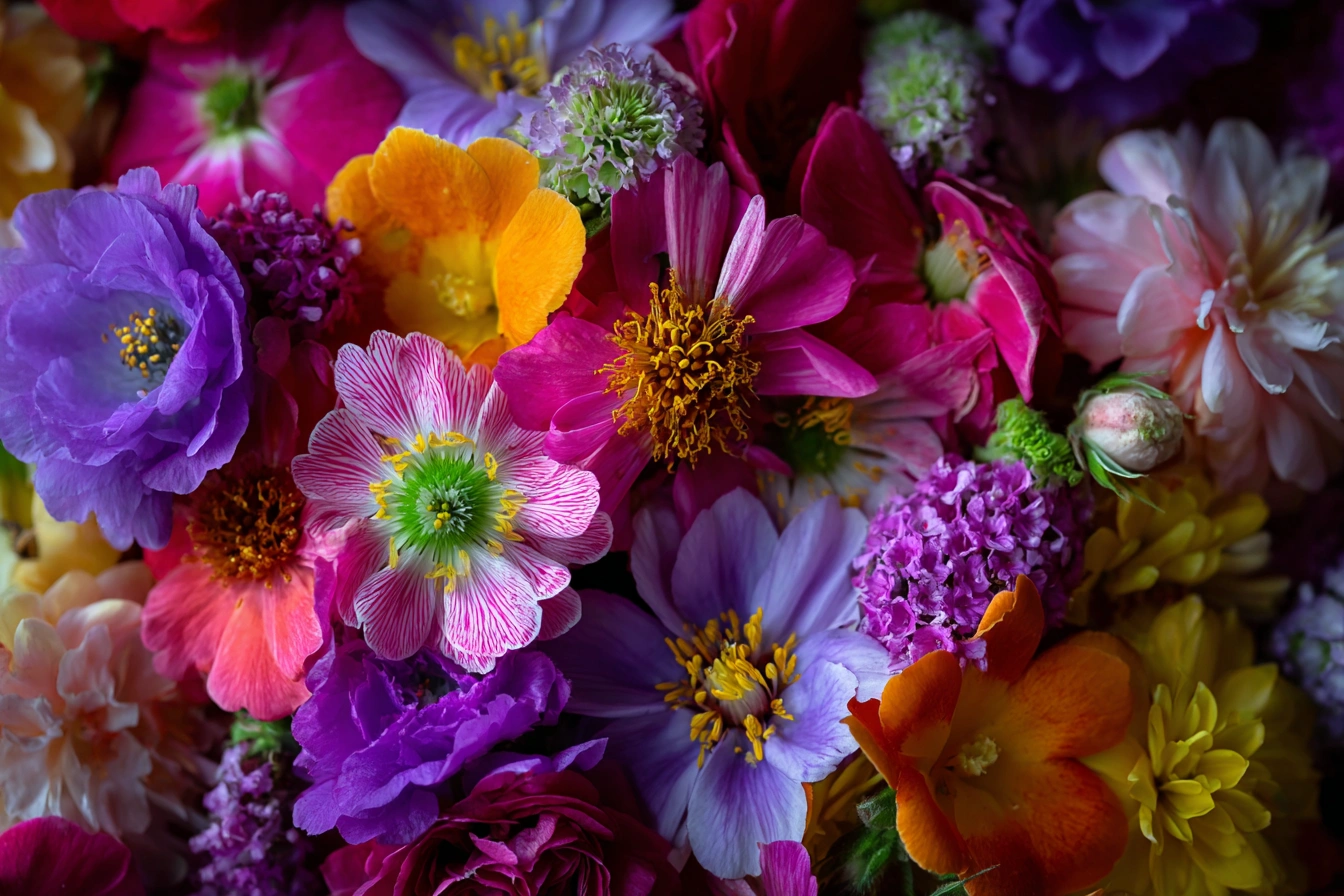
One of the defining characteristics of annual flowers is their ability to produce a multitude of blooms that can dramatically enhance the aesthetic appeal of any garden or landscape. Available in an array of colors, shapes, and sizes, annuals allow for endless creativity in garden design. Common examples include marigolds, petunias, and zinnias, each offering unique colors and textures that can cheer up any space. Their robust growth ensures that gardens are adorned with vibrant hues, effectively brightening up the environmental conditions for the duration of the growing season.
Furthermore, annuals come with their own set of advantages. One prominent benefit is their continued ability to flourish and provide seasonal interest. By rotating different annuals from year to year, gardeners can keep their spaces visually appealing and prevent pest buildup due to changing plant varieties. Also, the straightforward planting process involved with annuals makes them accessible for novice gardeners. Typically, they can be directly sown into the soil or started indoors before being transplanted outside. It is crucial, however, to follow care guidelines such as ensuring adequate water drainage, appropriate sunlight exposure, and timely deadheading to promote blooming.
In summary, annuals stand out as the one-year wonders of the horticultural world due to their quick growth, vibrant colors, and straightforward care requirements. Their contributions to gardens make them a preferred choice for those seeking to infuse their environments with seasonal beauty.
Perennials: The Long-Term Garden Companions
Perennials are remarkable plants known for their ability to thrive for multiple years, making them an essential choice for any garden enthusiast. Unlike annuals, which complete their life cycle in one growing season, perennials return year after year, providing a sustainable solution for those seeking a long-term gardening investment. One of the primary benefits of planting perennial flowers is their ability to enhance the garden’s consistency and visual appeal over time. As seasons change, these flowers bloom in cycles, ensuring that the garden remains vibrant and colorful throughout the year.
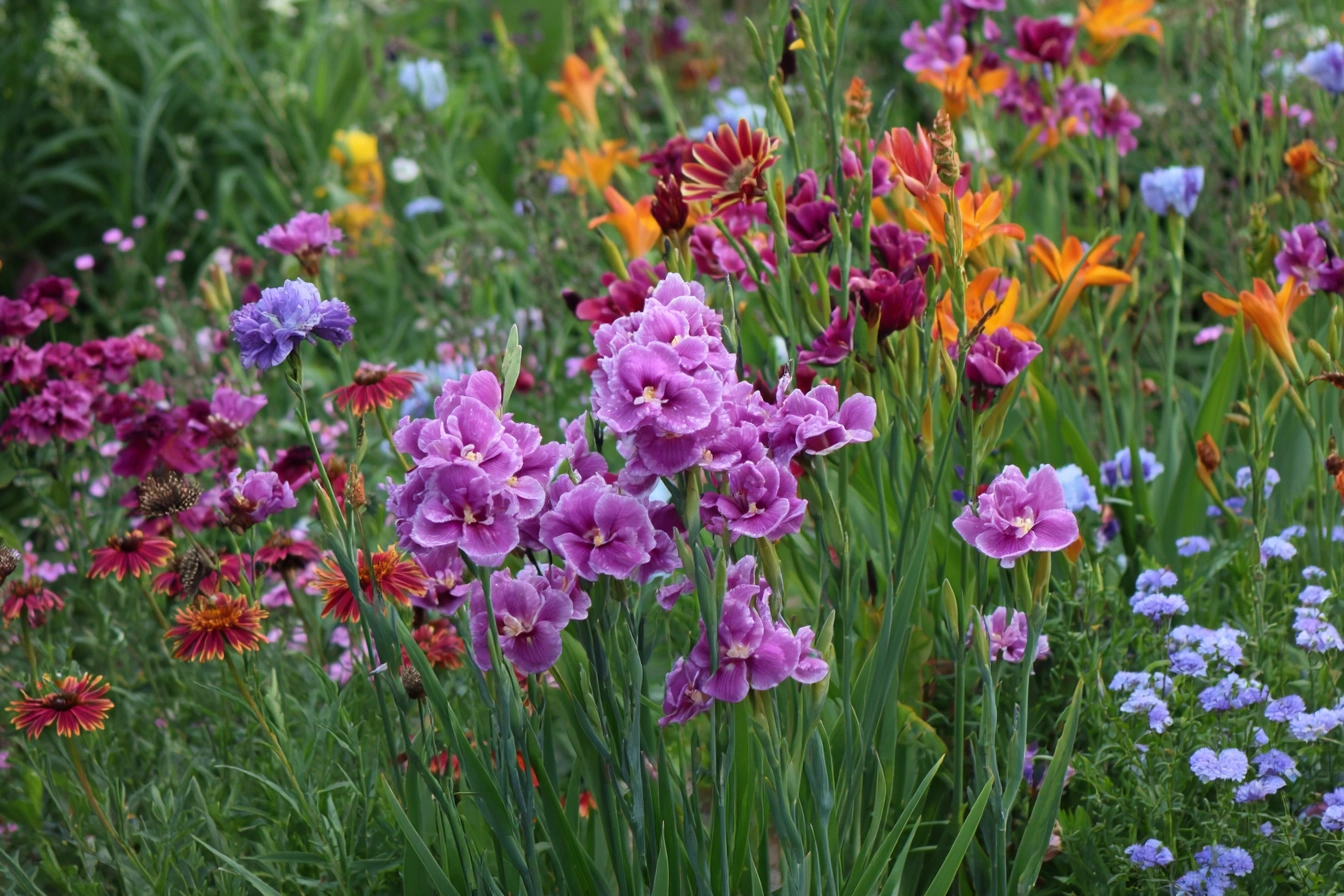
In addition to their aesthetic advantages, perennials require less maintenance compared to annuals. Once established, these resilient plants often need minimal care, which significantly reduces the time and effort required from the gardener. This makes them an excellent option for busy individuals or those new to gardening, as perennials often adapt well to a variety of climates and soil conditions, proving their versatility. Moreover, as they grow and fill out the garden space, perennials can help to suppress weeds, further lessening maintenance requirements.
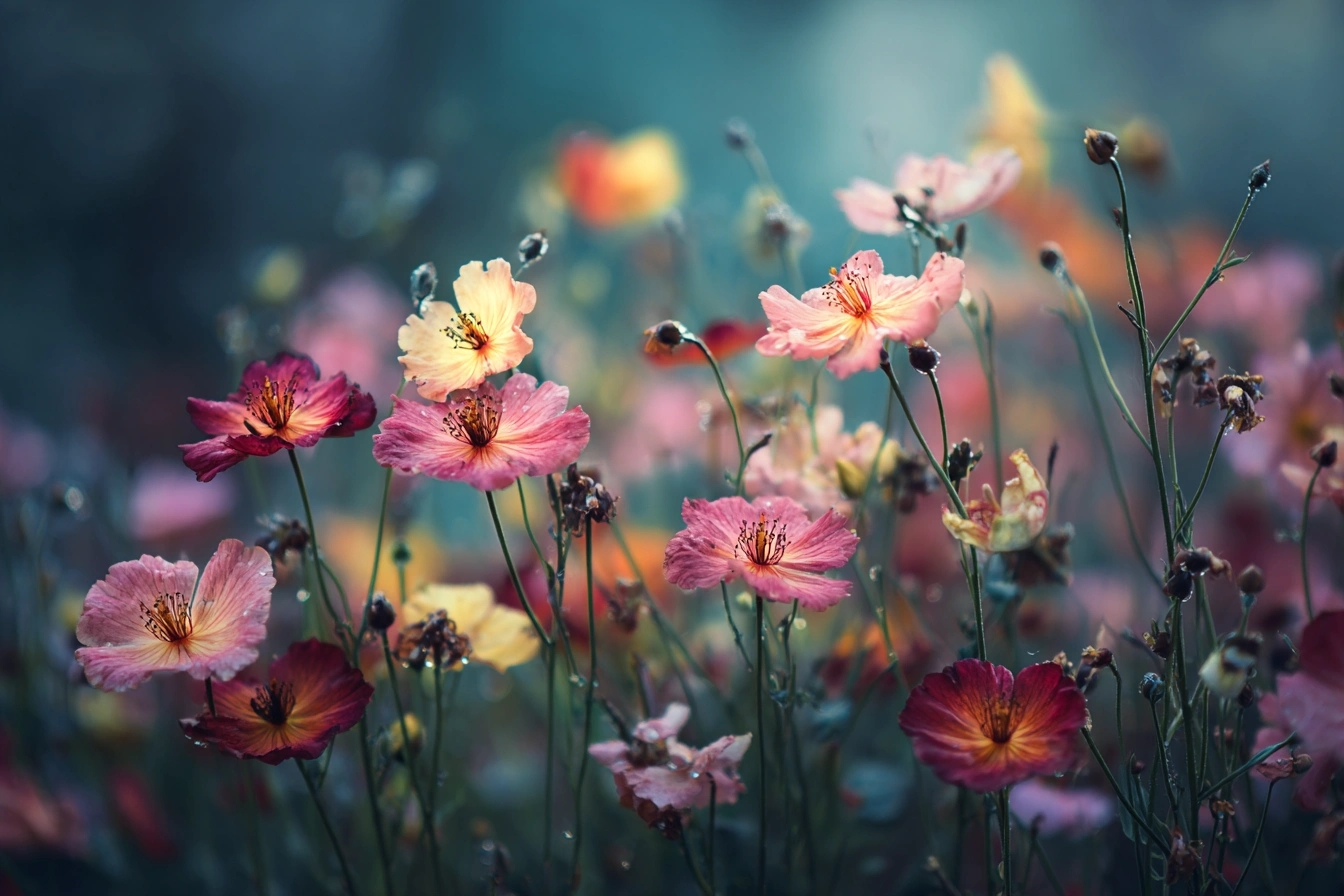
When selecting perennial flowers, it is crucial to consider your local climate, as well as the specific conditions of your garden, such as soil type, sunlight, and moisture levels. Some species thrive in full sun, while others prefer partial shade. Researching which perennials are best suited to your region can yield a more vibrant and healthy garden. Popular choices include daylilies, coneflowers, and hostas, each offering unique colors and textures. Ultimately, incorporating perennials into your garden not only fosters sustainability but also creates a flowering backdrop that evolves beautifully through the seasons. This long-term investment will undoubtedly enhance the overall garden experience, making perennials invaluable companions for any gardener.
Biennials and Hybrid Flowers: The Unique Intermediaries
Biennial flowers are distinctive plants that complete their life cycle over a two-year period. In the first year, these flowers typically focus on vegetative growth, developing strong root systems and foliage. During the following year, they produce flowers and seeds, often resulting in a vibrant display. Common examples include foxglove and hollyhock, which are appreciated for their striking blossoms and ability to attract pollinators.
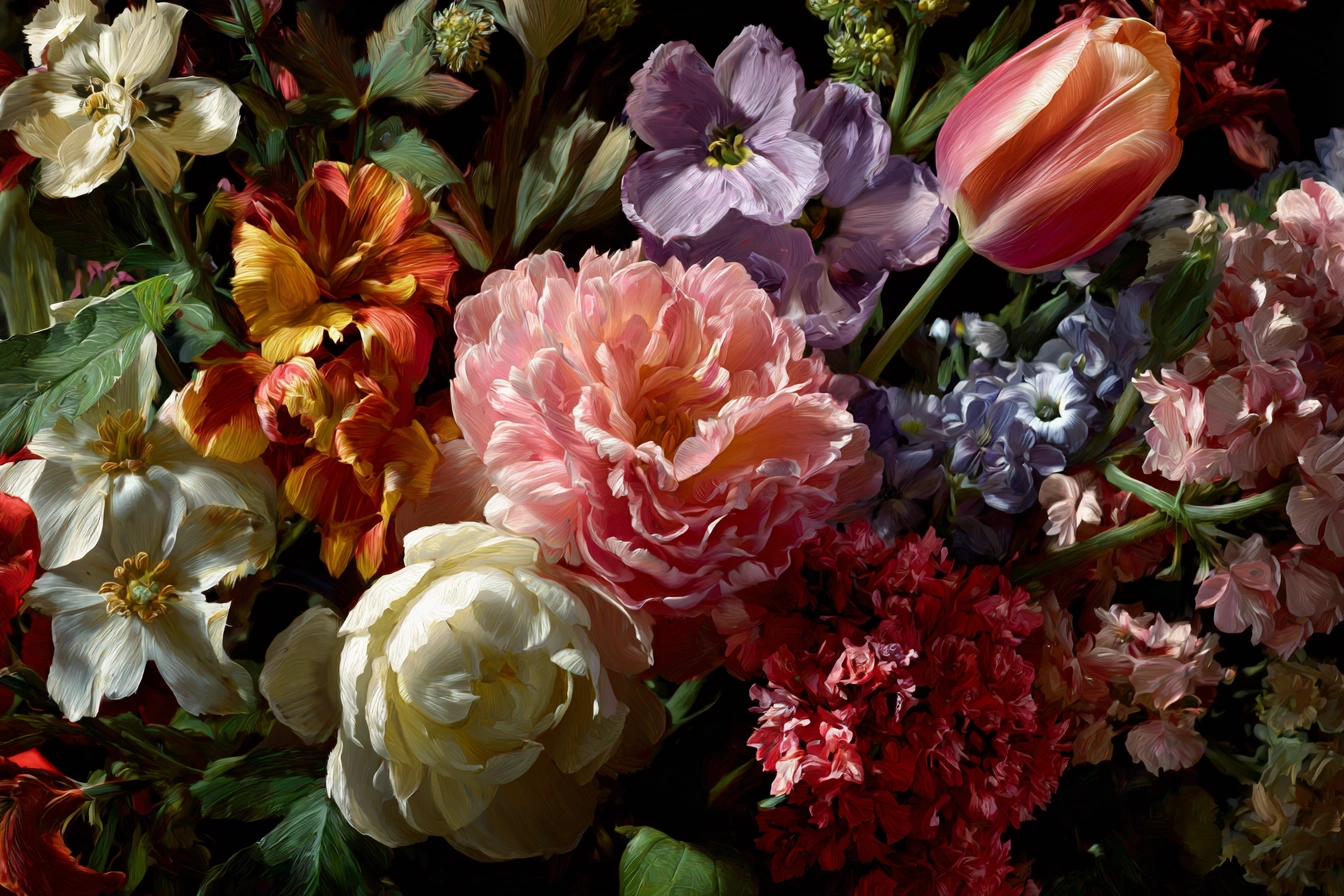
When considering planting strategies for biennials, gardeners should account for their unique growth patterns. It is advantageous to sow biennials in early spring or late summer, allowing them enough time to establish before winter sets in. Pairing biennials with annuals can create a dynamic garden layout, as annuals can fill in the gaps left by biennials during their non-blooming first year. Additionally, since biennials tend to thrive in a wide range of soils, they can adapt well to various garden environments, enhancing biodiversity.
In contrast, hybrid flowers arise from the crossbreeding of annuals and perennials, often resulting in unique plant varieties that combine desirable traits from both parent types. These hybrids can benefit gardeners by offering extended blooming periods, improved disease resistance, and varied color palettes. For example, hybrid varieties of petunias and geraniums may require less maintenance than their non-hybrid counterparts while providing consistent and abundant blooms.
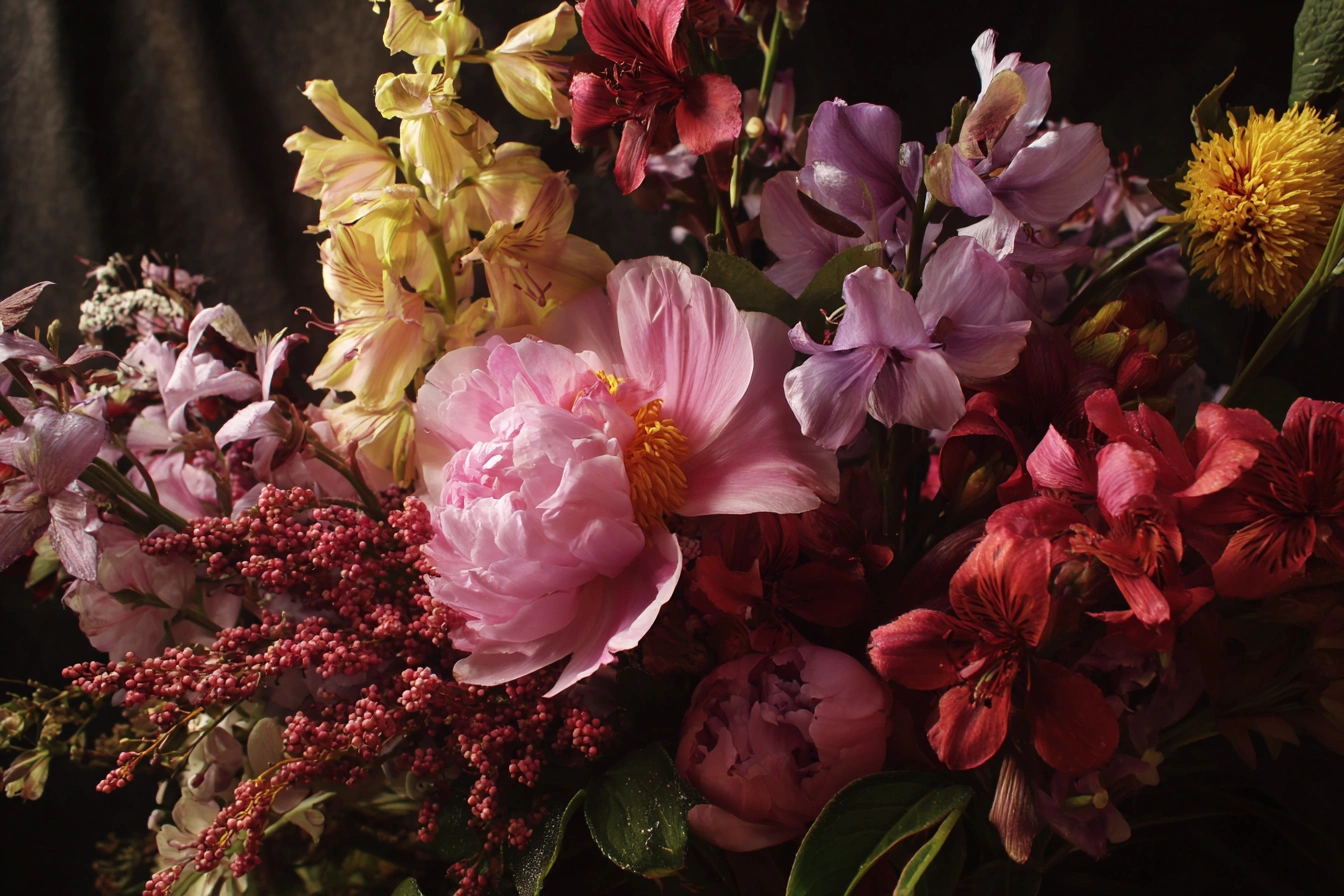
Both biennials and hybrids present potential challenges, however. Biennials may take up space in the first year without producing flowers, and hybrids can occasionally inherit vulnerabilities from either parent species. Furthermore, considering the importance of shrub and tree flowers in landscape design is crucial, as they provide structural diversity and additional seasonal interest. Integrating biennials and hybrid flowers can significantly enrich garden aesthetics, contributing to a more robust floral tapestry.